
3D MD5 Xoc Dia applies MD5-based data processing to generate game results through a digital system. The format creates a distinctive experience by combining traditional result patterns with a modern technical mechanism. Players who enjoy Xóc đĩa can use the information below to understand the operating process more clearly.
Understanding 3D MD5 Xoc Dia
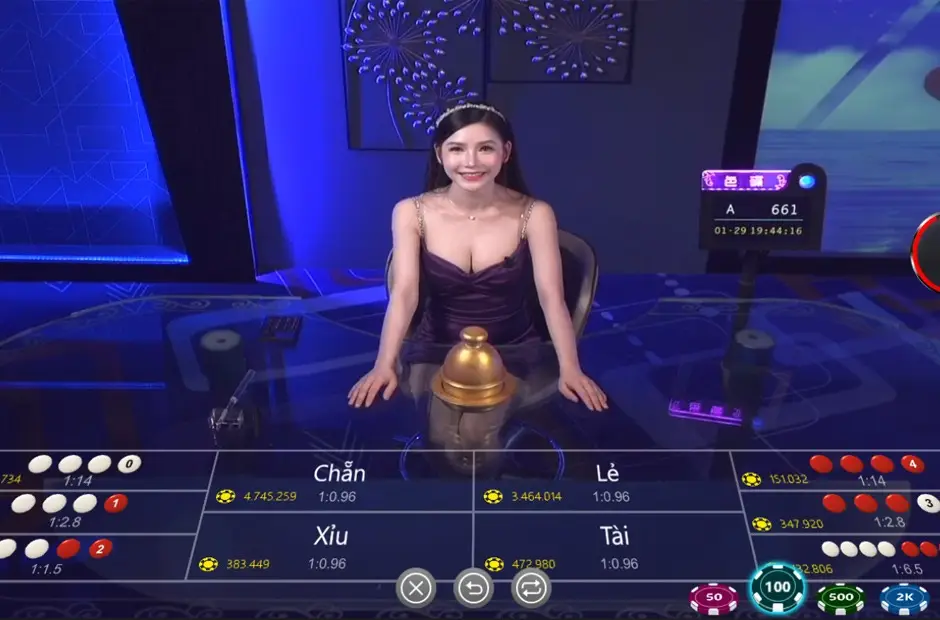
3D MD5 Xoc Dia result interface and game display
3D MD5 Xoc Dia uses a digital mechanism to process data before displaying the final result. The system is designed to make each round easy to follow through a clear result interface. Understanding this structure gives players a better foundation before starting a session.
Basic operating mechanism
The core mechanism of 3D MD5 Xoc Dia relies on MD5 data processing to create a result for each round. The system receives the required input and processes it through a predetermined digital method. After processing is completed, the corresponding result appears on the game interface.
Role of MD5 data
MD5 provides a fixed-length hash value after processing the original data. In MD5 Xoc Dia, this data can be used as part of the result generation mechanism. Players mainly need to understand that the hash output serves as technical data rather than a direct visual prediction.
How to follow each game round

Digital result processing for 3D MD5 gameplay
Following each round requires attention to the displayed information and the current game status. Players should understand the sequence before interacting with the available functions. A simple process can help reduce confusion when checking each result.
Check the current game status
Players should first access the relevant game screen and check whether the current round is available. 3D MD5 Xoc Dia normally presents the main information directly on the interface. Checking the current status helps players avoid confusing an active round with a completed result.
Review the generated result
Once processing is completed, the system displays the corresponding outcome for that round. Players can review the result directly instead of relying on information from an unrelated round. With MD5 Xoc Dia, checking the displayed data carefully is important when following multiple consecutive rounds.
Compare information between rounds
Comparing completed rounds can help players organize the information they have already observed. However, previous results should be treated as historical data rather than a guarantee for future outcomes. 3D MD5 Xoc Dia generates results according to its operating mechanism, so each round should be considered separately.
Important points when experiencing the game
The digital format requires players to understand both the technical process and the displayed information. Paying attention to the interface can make the overall experience easier to follow. Players should also manage their activity carefully instead of making assumptions from short-term result patterns.
Understand the result mechanism
The MD5 mechanism is mainly related to data processing and result generation within the system. MD5 Xoc Dia should therefore be approached through its documented operating process rather than unverified prediction methods. A clear understanding of the mechanism can prevent incorrect assumptions about how results are produced.
Avoid relying on short patterns
Several consecutive results may appear to form a recognizable sequence during a session. Such observations do not establish a fixed rule for determining the next outcome. Players following 3D MD5 Xoc Dia should separate past data from the result of a new round.
Keep track of session information
Recording relevant results can make it easier to review the information after a session. Players can organize the time, round status, and displayed outcome without drawing unsupported conclusions. This approach also makes the experience with MD5 Xoc Dia more structured and easier to monitor.
Final notes about the gameplay process
Understanding the technical structure is an important part of following a digital game based on MD5 processing. Players should focus on the actual interface, result sequence, and available information during each round. A careful approach can make the experience clearer without relying on uncertain assumptions.
Follow the displayed instructions
The interface may provide specific information about the current round and available functions. Players should read these instructions before proceeding with any action. Following the displayed process helps maintain a consistent experience throughout the session.
Review information before proceeding
Checking the current data before moving to another round can prevent simple misunderstandings. Players should confirm that the displayed result belongs to the intended round. This is particularly useful when several rounds are completed within a short period.
Maintain a controlled approach
A controlled approach helps players keep track of their activity and avoid unnecessary decisions based on emotional reactions. The game should be viewed as an entertainment format rather than a method for guaranteeing a particular outcome. When reviewing Xóc đĩa 3D MD5, players should rely on the actual system information and keep each round independent.
Conclusion
3D MD5 Xoc Dia combines a familiar game format with digital data processing through an MD5-based mechanism. Understanding the operating process, result display, and session information can help players follow each round more clearly. Reviewing the system objectively and maintaining a controlled approach provides a mo